Working from home has become a common part of many people’s routines, making the home office space more important than ever. Creating a workspace that is both cozy and productive can boost your motivation, reduce stress, and help you stay focused throughout the day. Whether you’re setting up a brand-new area or improving an existing one, here are several tips to design a home office that works for you.
Choose the Right Location
The location of your home office makes a big difference in how productive and comfortable you feel.
– Quiet and Low-Traffic Area: Find a spot away from household noise and distractions. Corner rooms or a section of a spare room often work well.
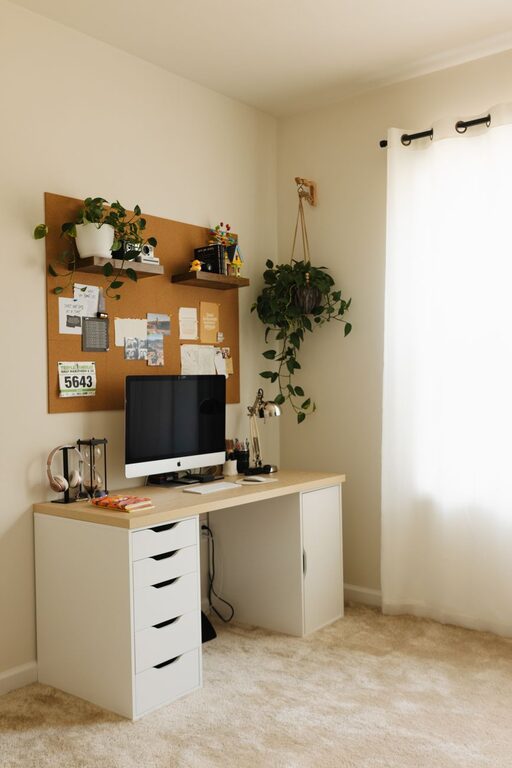
– Natural Light: Set your desk near a window, if possible, to benefit from sunlight. Natural light can improve mood and reduce eye strain.
– Accessibility: Make sure the space is easily accessible but separate enough to create a work mindset.
Invest in Comfortable Furniture
Your chair and desk are the foundation of your home office comfort and productivity.
– Ergonomic Chair: Choose a chair that supports your back and encourages good posture. Adjustable height and lumbar support are key features.
– Appropriate Desk: Pick a desk with enough surface area to hold your computer, paperwork, and accessories while still leaving room to work comfortably.
– Consider Alternatives: Options like standing desks or desks with adjustable heights can help you alternate your posture throughout the day.
Optimize Lighting
Good lighting reduces eye strain and keeps you alert.
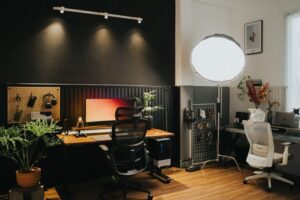
– Layered Lighting: Use a combination of natural light, overhead lighting, and task lighting such as desk lamps.
– Avoid Glare: Position screens and light sources to eliminate glare on your computer monitor.
– Warm vs. Cool: Cooler lighting helps with focus during work hours, while warmer lighting is more relaxing during breaks.
Organize Your Space
An organized area minimizes distractions and helps keep your mind clear.
– Declutter Regularly: Keep only the essentials on your desk to maintain a clean workspace.
– Storage Solutions: Use shelves, drawers, and organizers to store supplies and documents neatly.
– Cable Management: Use clips or sleeves to keep cords tidy and prevent tangles.
Personalize Your Office
Adding personal touches can make your home office inviting without compromising productivity.
– Decorate Thoughtfully: Choose calming colors and inspiring artwork that motivate you.
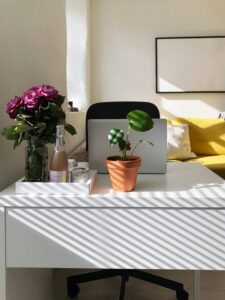
– Plants: Adding greenery can improve air quality and create a peaceful environment.
– Comfort Items: Cozy blankets, cushions, or a favorite mug can add warmth to your space.
Create Boundaries Between Work and Home
Separating work life from home life is essential for balance.
– Set Working Hours: Decide on clear start and finish times for your workday.
– Use a Door or Divider: If possible, close the door or create a visual barrier when working to signal focus time.
– Break Times: Make sure to step away from your desk regularly to avoid burnout.
Invest in Technology and Tools
Smooth workflow depends on reliable equipment.
– High-Speed Internet: Ensure your connection is fast and stable to avoid interruptions.
– Quality Monitor and Keyboard: These can help reduce strain and improve efficiency.
– Productivity Apps: Use calendars, to-do lists, and time-tracking tools to stay organized.
Maintain Good Air Quality and Temperature
Comfort also depends on how the space feels physically.
– Ventilation: Open windows when possible or use air purifiers to keep the air fresh.
– Temperature Control: Adjust heating or cooling to maintain a comfortable temperature, ideally between 68-72°F.
Keep Healthy Habits in Mind
Your home office should support your well-being.
– Take Breaks: Stand up, stretch, or walk around every hour to stay energized.
– Hydrate and Eat Well: Keep water nearby and have healthy snacks accessible.
– Exercise: Incorporate simple exercises or yoga stretches before or after work.
—
Creating a home office space that is both cozy and productive requires thoughtful planning and regular adjustments to fit your personal style and work habits. By focusing on comfort, organization, and boundaries, you can turn your home office into an inspiring place where work gets done and you feel good doing it.