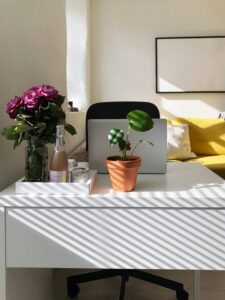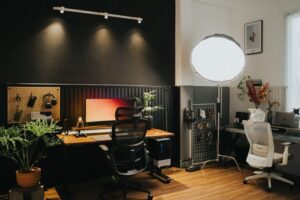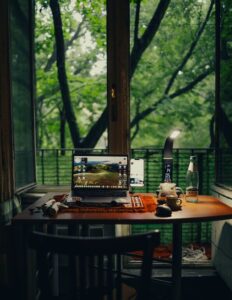

Creating a home office that feels cozy and inviting can make all the difference in your workday. Whether you work remotely full-time or occasionally, a space that blends comfort with functionality helps you focus and feel motivated. Here are practical tips to design a home office that’s both welcoming and efficient.
Start with the Right Location
Choosing the perfect spot for your home office sets the foundation for comfort and productivity. Ideally, pick a quiet area with minimal distractions, plenty of natural light, and enough room for your equipment.
– If possible, avoid high-traffic or noisy areas.
– A corner near a window can boost mood and reduce eye strain.
– Consider using room dividers or screens to separate your workspace from relaxation zones.
Invest in Comfortable, Supportive Furniture
Your desk and chair are the most important pieces of your office. Comfort matters when sitting for long periods.
– Select an ergonomic chair with lumbar support to maintain good posture.
– Choose a desk that fits your needs — whether you prefer a classic writing desk, a standing desk, or one with adjustable height options.
– Add a footrest if your feet don’t touch the ground comfortably while sitting.
– Keep essential supplies within arm’s reach to reduce unnecessary movement.
Personalize with Warm Colors and Textures
Colors and textures influence how inviting your space feels. Warm, soft colors encourage relaxation and creativity, while cool tones can enhance focus.
– Paint walls in soft shades like beige, warm gray, muted green, or light blue.
– Incorporate textured elements such as rugs, cushions, or curtains to add warmth.
– Use wood furniture or decor to bring natural warmth to the room.
Use Lighting Strategically
Good lighting reduces eye strain and improves mood.
– Maximize natural light by keeping windows unobstructed during the day.
– Supplement with layered lighting: a bright overhead light for general use, task lighting for focused work, and ambient lighting for evenings.
– Consider lamps with adjustable brightness and warm-white bulbs for a cozy feel.
Organize and Declutter
A tidy workspace promotes clear thinking and reduces stress.
– Use shelves, filing cabinets, or baskets to keep paperwork and supplies organized.
– Declutter your desk daily to prevent buildup.
– Store cables with clips or sleeves to avoid tangling.
– Consider labeling storage containers for easy access.
Add Greenery
Plants bring life and fresh air to your workspace.
– Choose low-maintenance plants like pothos, snake plant, or succulents.
– Place plants near your desk or on shelves where they get enough light.
– Even a small plant can improve your mood and create a calming atmosphere.
Incorporate Personal Touches
Decorate your home office with items that inspire and relax you.
– Display artwork or motivational quotes on the walls.
– Use decorative storage boxes or pen holders.
– Keep a cozy throw blanket nearby for added comfort.
– Include a small speaker for background music that helps concentration.
Manage Noise Levels
Depending on your environment and work style, controlling noise can be important.
– Use noise-canceling headphones or white noise machines if background sounds are distracting.
– Add soft furnishings like curtains and rugs to absorb sound.
– Consider a door or room divider to create a sound barrier if needed.
Create Zones for Different Activities
If space allows, designate zones within your office for various tasks.
– A main desk area for computer work.
– A reading nook with a comfortable chair for reviewing documents or brainstorming.
– A small table for meetings or creative projects.
This approach keeps your workspace dynamic and inviting.
Keep Essentials Handy but Minimal
Having what you need close by saves time and keeps your workflow smooth.
– Keep pens, notebooks, chargers, and other supplies organized but easily accessible.
– Use cable organizers to keep your workspace neat.
– Limit knick-knacks to avoid clutter while allowing for some personality.
Maintain Your Space Regularly
A cozy office requires ongoing care.
– Schedule weekly cleaning and reorganizing.
– Replace worn-out items like chair cushions or lighting if needed.
– Reassess your space periodically to adapt to changing work needs.
—
Creating a cozy and inviting home office is about balancing comfort, functionality, and personal style. With these tips, you can design a space that not only supports your work but also makes you look forward to starting your day. Remember, a little effort in setting up your environment can have a big impact on your productivity and wellbeing.