Creating a relaxing home workspace is essential for anyone working remotely, freelancing, or simply needing a designated area for focused tasks. A calm, organized environment helps reduce stress, improve concentration, and promote better work-life balance. Whether you’re setting up a new space or improving your current one, these tips will help you create a workspace that feels peaceful and inviting.
Choose the Right Location
Find a Quiet Spot
Select a part of your home where you are least likely to be disturbed or distracted. Ideally, this should be a space away from noisy areas like the living room or kitchen. A quiet corner, spare bedroom, or even a nook near a window can work well.
Consider Natural Light
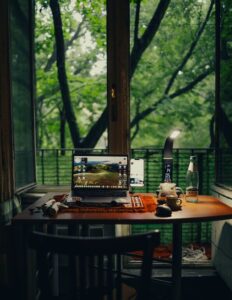
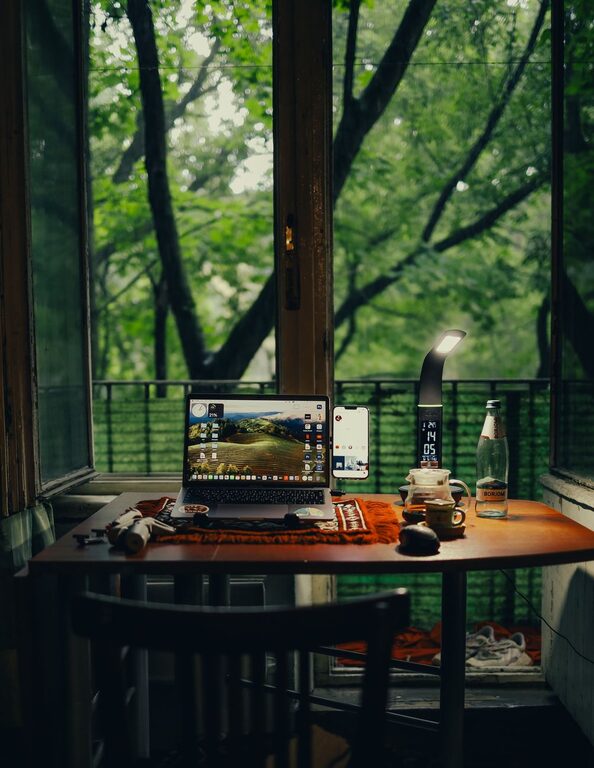
Natural light has many benefits: it boosts mood, reduces eye strain, and helps regulate your internal clock. Position your desk near a window if possible, but avoid direct glare on your screen.
Invest in Comfortable Furniture
Ergonomic Chair and Desk
A comfortable chair and desk are crucial to maintain good posture and prevent fatigue. Choose an adjustable chair with proper lumbar support and a desk at a height that allows your arms to rest comfortably.
Personalize Your Seating
Adding a cushion or lumbar pillow can enhance comfort. If you prefer, a standing desk or desk converter can offer an option to stand during your workday, which may increase energy and reduce sitting time.
Keep It Organized and Clutter-Free
Declutter Regularly
A cluttered workspace can create stress and distraction. Keep only the essentials on your desk. Use organizers, trays, or drawers to store supplies and paperwork out of sight.
Use Cable Management
Tidy cables with clips, sleeves, or ties to prevent a tangled mess. This small adjustment can instantly make your workspace look cleaner and more organized.
Add Calming Elements
Use Soothing Colors
Colors influence mood. Soft, neutral tones like light blues, greens, or greys can create a calming atmosphere. If repainting isn’t an option, add these colors through accessories such as desk mats, wall art, or curtains.
Incorporate Plants
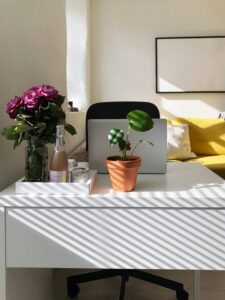
Plants not only add life to your space but also improve air quality and reduce stress. Choose easy-to-care-for options like succulents, snake plants, or pothos.
Introduce Gentle Lighting
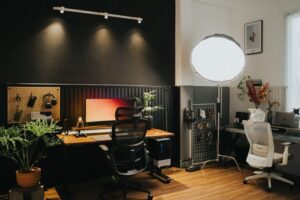
In addition to natural light, incorporate soft, warm lighting with lamps or string lights. Avoid harsh overhead fluorescent lights, which can cause eye strain and increase tension.
Create a Personalized Routine
Designate “Work Hours”
Having clear work hours helps separate work time from relaxation. This can reduce feelings of overwhelm or burnout by creating a predictable daily rhythm.
Use Aromatherapy
Scents like lavender, chamomile, or eucalyptus may help calm your mind. Consider a diffuser with essential oils or lightly scented candles, keeping safety in mind.
Minimize Digital Distractions
Use Headphones or White Noise
If noise cannot be avoided, use noise-canceling headphones or play white noise or soft instrumental music to block out distractions and improve focus.
Manage Notifications
Silence unnecessary phone or computer notifications during your work periods to maintain concentration.
Take Breaks and Move
Schedule Short Breaks
Step away from your workspace every hour for several minutes to stretch, walk, or do light exercises. Movement helps refresh your body and mind.
Create a Separate Relaxation Space
If space allows, design a different area where you can relax during breaks — perhaps a cozy chair with a blanket or a spot for meditation.
Personal Touches Make a Difference
Display Meaningful Items
Incorporate photos, quotes, or objects that inspire you. These personal touches can boost motivation and make your workspace feel like your own.
Keep Hydrated and Snack Smartly
Keep a water bottle nearby to stay hydrated and have healthy snacks available to maintain energy throughout the day.
—
By thoughtfully designing your home workspace using these tips, you can create a relaxing and inspiring environment that supports your productivity and wellbeing. A calm workspace not only enhances your work experience but also contributes to a healthier balance between work and personal life. Start small, make gradual improvements, and enjoy the process of creating a space that feels just right for you.